
ValuPick is reader-supported. When you buy through links on this page, we may earn a commission at no extra cost to you. As an Amazon Associate I earn from qualifying purchases. Learn more.
Retinol is one of the most studied skincare ingredients there is. It can soften fine lines, smooth rough texture, fade the look of dark spots and help with clogged pores. It also has a reputation for redness, peeling and stinging, which scares a lot of people off before they start.
The trick is to pick a gentle product and go slow. We dug through the best-selling retinol serums and creams, read the latest buyer reviews, and picked five that are gentle enough for a first try. Below the picks, you’ll find a simple week-by-week plan for starting retinol without wrecking your skin.

- Best overall for beginners: La Roche-Posay Retinol B3 Serum. Gradual-release retinol with niacinamide, made with sensitive skin in mind.
- Best budget: Good Molecules Gentle Retinol Cream. A soothing, fragrance-free cream at a very low price.
Our top picks
- Best overall for beginnersLa Roche-Posay Retinol B3 Serum
- Best budgetGood Molecules Gentle Retinol Cream
- Best for acne marks and poresCeraVe Resurfacing Retinol Serum
- Best gentle retinoid alternativeThe Ordinary Granactive Retinoid 2% Emulsion
- Best night creamOlay Regenerist Retinol Night Cream
La Roche-Posay Retinol B3 Serum
La Roche-Posay describes this serum as ideal for sensitive skin and retinol beginners, and the ingredient list makes sense for that. It pairs pure retinol, released gradually so it’s gentler on the skin, with niacinamide to help calm and strengthen the skin barrier, and hyaluronic acid for hydration. The brand says it reduces the look of fine lines, wrinkles, dark spots and signs of sun damage while improving texture and tone.
Why it stands out
- Made with retinol beginners in mind
- Retinol + niacinamide + hyaluronic acid
- Dermatologist tested, suitable for sensitive skin
What to consider
- The priciest pick on this list
- Some peeling is still possible in the first weeks
Good Molecules Gentle Retinol Cream
Just want to see if your skin can handle retinol? Try this first. Good Molecules puts retinol in a soothing cream that the brand designed to be gentle, and says it softens the look of fine lines, helps skin look firmer and reduces dry, flaky-looking skin. Because it’s a cream, you get moisture and retinol in one step at night. It’s fragrance-free, vegan and cruelty-free, and suitable for all skin types including sensitive skin.
Why it stands out
- Very low price
- Gentle cream texture, moisturizer and retinol in one
- Fragrance-free, vegan and cruelty-free
What to consider
- Gentler formula, so results may take longer
- Cream base can feel heavy on very oily skin
CeraVe Resurfacing Retinol Serum
This serum is aimed at the marks acne leaves behind. CeraVe uses encapsulated retinol to help smooth texture, with licorice root extract to brighten and niacinamide to calm. Like all CeraVe products, it includes three essential ceramides to support the skin barrier, which helps balance out retinol’s drying side. The brand says it helps visibly reduce post-acne marks and refine the look of pores. It’s fragrance-free, paraben-free and non-comedogenic.
Why it stands out
- Targets post-acne marks and pores
- Ceramides to support the skin barrier
- Fragrance-free and non-comedogenic
- Drugstore price
What to consider
- Results on dark marks take time
- A few recent buyers report breakouts, so introduce it slowly
The Ordinary Granactive Retinoid 2% Emulsion
This one doesn’t use classic retinol. Instead, it uses a newer retinoid called hydroxypinacolone retinoate, which The Ordinary says targets fine lines, texture and tone without the irritation commonly associated with retinol. It also includes Tasmannia lanceolata extract, a known anti-irritant, to help calm the skin. It’s a moderate-strength formula with a light emulsion texture, at a very low price.
Why it stands out
- Newer retinoid designed to be less irritating
- Added soothing plant extract
- Very affordable
What to consider
- Plain, no-frills packaging and texture
- Takes steady, consistent use to show results
Olay Regenerist Retinol Night Cream
If you’d rather not add a separate serum, Olay’s night cream combines a retinoid the brand calls Pro-Retinol with a Triple Collagen Peptide and niacinamide in a hydrating moisturizer. Olay says it’s clinically tested and visibly improves wrinkles in one week and dark spots in four weeks. It’s fragrance-free and non-greasy, which helps if your skin is sensitive.
Why it stands out
- Retinoid + moisturizer in one step
- Fragrance-free, non-greasy
- Peptides + niacinamide
What to consider
- Pricier for a 1.7 oz jar
- Rich texture may feel heavy on oily skin
How to start retinol: a simple plan
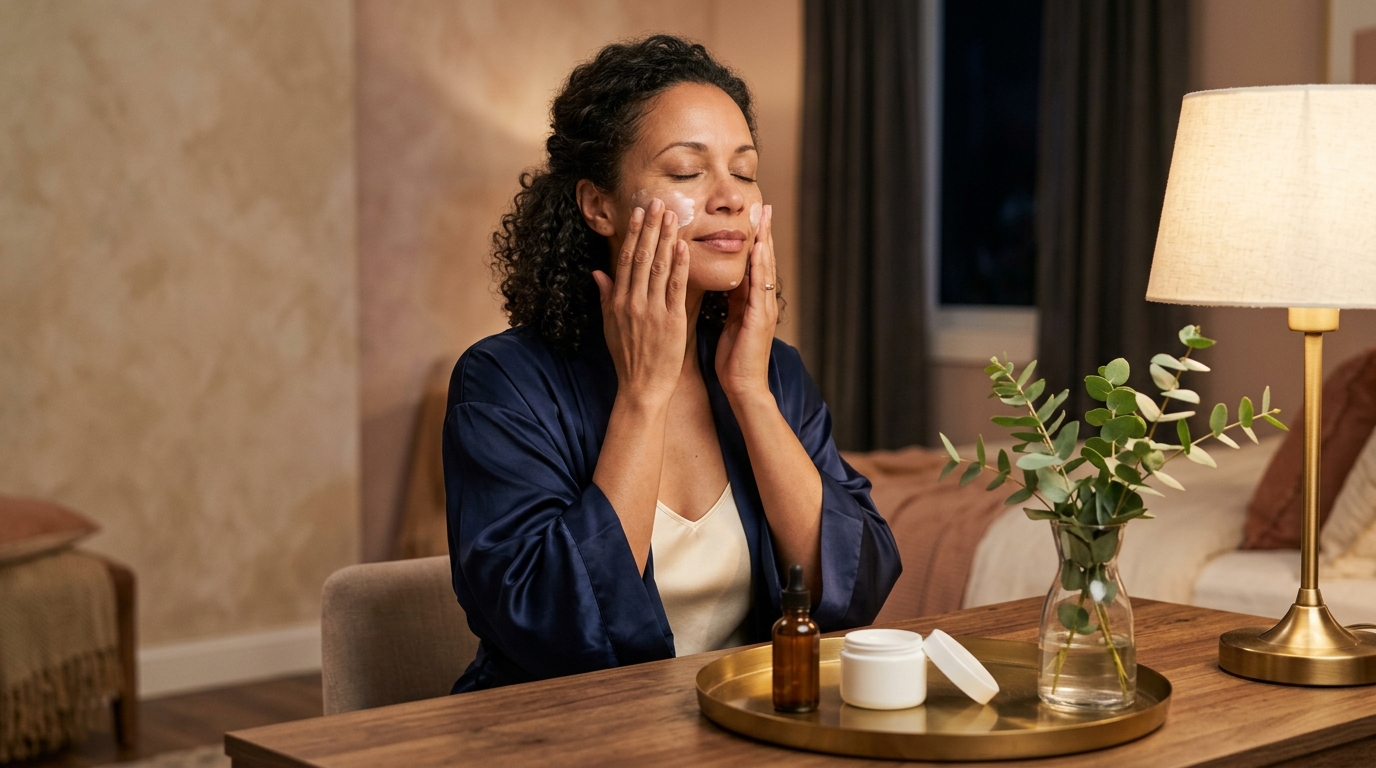
- Weeks 1 to 2: use it 2 nights a week, with at least two nights off in between.
- Weeks 3 to 4: if your skin feels fine, go to 3 nights a week.
- After a month: slowly work up to every other night, then nightly if your skin is happy.
- Use a pea-sized amount for your whole face. More isn’t better.
- Apply to dry skin, then follow with moisturizer. If you’re very sensitive, apply moisturizer first, then retinol, then more moisturizer (the “sandwich” method).
- Wear sunscreen every morning. Retinol makes your skin more sensitive to the sun.
What’s normal and what’s not
Some dryness, light flaking or mild tightness in the first few weeks is common while your skin adjusts. Burning, swelling, a rash or peeling that doesn’t settle means your skin needs a break. Stop for a few days, moisturize, and restart less often, or switch to a gentler formula.
How we chose
We started with the retinol products shoppers are buying most right now, then kept only those with strong ratings and consistently positive recent buyer feedback. We compared each formula’s retinoid, supporting ingredients and texture against what a beginner needs, checked what the brand claims, and weighed the price. We don’t accept payment from brands. We haven’t run lab tests, and we tell you when a claim comes from the brand itself.
FAQs
At what age should I start retinol?
There’s no set age. Many people start in their mid-20s to 30s for fine lines and texture, and younger people sometimes use it for acne. Start gently whenever you begin.
Can I use retinol with vitamin C or exfoliating acids?
Not on the same night when you’re starting out. Use vitamin C in the morning and retinol at night, and skip strong acids on retinol nights. See our best serums for dull skin for daytime options.

Can I use retinol while pregnant or breastfeeding?
Retinoids are generally not recommended during pregnancy. Talk to your doctor before using any retinol product if you’re pregnant, trying to get pregnant or breastfeeding.
How long until I see results?
Smoother texture can show up in a few weeks. Fine lines and dark spots usually take two to three months of steady use.
This article is for general information only and isn’t medical advice. If you have a skin condition like rosacea or eczema, or you’re pregnant, check with a doctor or dermatologist before starting retinol. Read our Disclaimer.